


GTL | GettingOut
3.310.63K Reviews
App Specs
- Version
- 3.4.3
- Updated On
- License
- Free
- Downloads
- 1,000,000+
- Developer
- Viapath
- Categories
- Productivity
- Platform
- Android
Screenshots
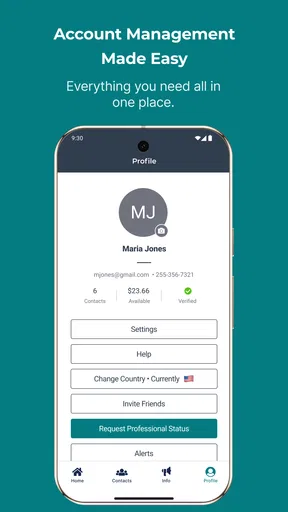
 Analysis by AppCompare
Before I install a communication app for a difficult, time-sensitive situation, I like to work out the routine around it: what I need to arrange, what can wait, and which person needs to be involved. That matters especially when staying in touch with someone in a correctional facility, where ordinary messaging habits may not apply. GTL | GettingOut is a productivity app from Viapath built for that specific kind of connection. I see its value less as a replacement for every tool on my phone and more as a dedicated place to manage communication that would otherwise be awkward to coordinate.
Start with the communication routine
In a typical messaging app, both people can usually open a conversation whenever they like. Here, the situation is different: the person you want to contact is incarcerated, and the available ways to communicate are shaped by that circumstance. A useful first step is to decide what you want to use the app for—keeping up through messages, arranging a video call, or organizing a visit—rather than treating it as a general-purpose chat tool.
That small distinction can make the experience feel more manageable. I would keep the practical details I need for a conversation or visit in one place, and use the app when it is time to handle the contact itself. It also helps to agree with family members about who is taking care of which arrangements, so two people do not independently try to organize the same thing.
A realistic routine might be checking in after work, sending a message when there is something meaningful to share, and setting aside a separate moment to plan a visit. That is more useful than repeatedly opening the app without a clear purpose. The app can support the communication, but a simple personal routine is what helps it fit into everyday life.
The Heart of Connection
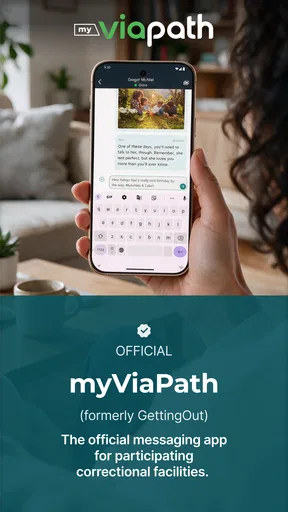
Alright, let’s talk about what this app does. Essentially, GTL | GettingOut is designed to facilitate communication between you and individuals who are incarcerated. It’s a bit of a lifesaver for families and friends wanting to stay connected in a meaningful way. And trust me, in situations like these, a simple message or video call can make a world of difference.
Capture what matters without turning it into a chore
Messaging is most helpful when it becomes a reliable way to share things that might otherwise be lost in a busy day. I would use it for a specific update, a question that needs an answer, or a small family moment worth passing along, rather than trying to recreate the constant stream of a group chat. That keeps each exchange easier to follow and gives the conversation a clearer purpose.
If several relatives are involved, a practical habit is to coordinate outside the conversation before sending overlapping updates or making plans. One person can handle a visit arrangement while another sends the family news, for example. This is not an app feature; it is a simple workflow that helps keep communication from becoming confusing when several people care about the same contact.
Worth Reading Before You Choose

EA SPORTS FC Mobile 26 Is a Bigger Football Game, but It Takes Time

Flipboard Shows What News Apps Must Do Beyond the Feed

Switching to Android Auto Means Rethinking Your Driving Routine

Google Calendar Makes a Crowded Week Easier to Manage

Ludo King Makes the Most of the Minutes Between Plans

Baby Panda World Brings Quick Play to Modern Phones, but Its Game Library Feels Busy
For a video call, I would treat the appointment as a real commitment rather than an informal chat that can happen at any moment. Set aside time, make sure you are somewhere suitable, and have a few things in mind to talk about. The point is not to script a personal conversation, but to avoid losing the opportunity to a rushed or distracted moment.
Features That Stand Out
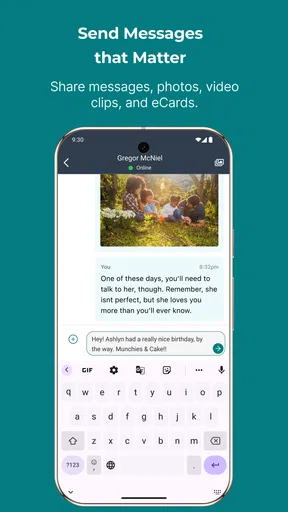
So what’s in the toolset of GTL | GettingOut? First off, it’s got a solid messaging feature. You can send and receive messages with ease, and the interface feels pretty intuitive—like you’re using any other messaging app. No fuss, no muss.
Then there’s the video call feature. Now, this is where things get a bit more personal. Seeing your loved one’s face, even through a screen, can be comforting. The app offers a decent quality video call service, which is quite impressive given the circumstances.
Another cool perk is the ability to schedule visits. Yes, you heard that right. You can arrange your visitations through the app, making the whole process smoother. It’s all about cutting the red tape and making the experience as seamless as possible.
How it fits alongside other ways to stay in touch
Compared with the usual alternatives, the main difference is purpose. A standard texting app is convenient for everyday conversation, but it is not designed around keeping in contact with someone in a correctional facility. A phone call can feel direct, yet it does not offer the same written record as messages or the face-to-face feeling of a video call. Visiting in person can be meaningful, but it takes planning. This app brings messaging, video calls, and visit scheduling into one communication setting, which is useful when those are the channels you need.
That does not make it the best choice for every conversation. If you are simply trying to keep up with friends who can use ordinary messaging, a familiar chat app will usually be simpler. If you need a conversation to happen immediately, do not assume an app message is a substitute for a live call. I would choose the method based on the purpose: written updates for something that can wait, video for a more personal exchange, and a scheduled visit when being there matters.
It is also worth separating the app’s role from the broader logistics of staying in touch. It can help with communication and arranging visits, but it cannot make the circumstances themselves uncomplicated. Keeping a personal calendar reminder for a planned call or visit is a useful companion habit; it reduces the chance that an important arrangement gets buried under unrelated phone notifications.
User Experience and Interface
Let’s chat about the user experience for a second. Navigating through GTL | GettingOut is like cruising down a well-paved road. The interface is clean and straightforward, which is a big win because, let’s face it, nobody likes fumbling around trying to figure out how to send a simple message.
The app is available on both Android and iOS, so no one’s left out in the cold. Plus, it’s updated regularly to iron out any kinks and improve user experience, which is always a good sign of a reliable app.
For someone using it only occasionally, a short check-in routine can make the interface feel less unfamiliar: open the app when you have a message to send, when you are ready to review a conversation, or when you need to organize a visit. I would avoid relying on memory for the details of a planned contact. Keeping the date or task in a separate calendar is a modest but useful safeguard, particularly when other family responsibilities compete for attention.
There is a trade-off in using a dedicated service instead of one app that everyone already uses. A family member may need to learn a separate workflow, and the person you are contacting cannot necessarily participate in the same way as someone with ordinary access to messaging. For a close circle, agreeing on who will use the app and how updates will be shared can prevent confusion without adding a complicated system.
What to expect from a repeatable routine
The most sustainable way to use a communication app is to attach it to a habit you already have. I might review messages at a calm point in the day rather than checking constantly, then set a separate reminder for a planned visit or video call. That keeps the app from becoming another source of interruptions while still making room for contact that matters.
For a family coordinating a visit, a practical sequence is to decide who is responsible for arranging it, use the app to schedule it, and then record the plan somewhere everyone involved can check. If plans change, the person who made the arrangement can tell the others directly. This simple division of responsibility is especially helpful when several relatives are sharing the work.
For everyday messages, I would keep them clear and focused. A short update about a family event or a question that needs a response is easier to manage than a long chain of loosely connected thoughts. That is not a rule imposed by the app; it is a way to make written communication more useful when people may not be able to respond at the same time.
GTL is free to download, has an Everyone content rating, and has been available since July 30, 2013. Its current version is 3.4.3, with Android 7.0 as the minimum operating system requirement. Those details make it straightforward to assess basic suitability, but the more important question is whether its communication purpose matches your situation.
Security and Privacy
When it comes to apps dealing with sensitive information, security is paramount. GTL | GettingOut doesn’t skimp on this. The app employs several security measures to ensure that your conversations and data remain private. It’s reassuring to know they’ve got your back on this front.
However, it’s always wise to stay informed about what data you’re sharing and how it’s being used. A little caution goes a long way in maintaining your privacy.
I would also be thoughtful about what I put into any message. Personal details that do not need to be shared are better left out, and I would avoid treating a sensitive conversation as if it were a private note stored only for myself. That is a sensible practice for any communication tool, and it matters even more when the subject is family life or personal arrangements.
Where the experience can feel less smooth
The biggest limitation is not that the app tries to do too much; it is that this kind of communication depends on circumstances beyond a phone interface. A clean screen cannot make every contact as spontaneous as a regular text exchange. If you expect instant replies or the freedom to call whenever you want, it is better to adjust that expectation before relying on the app.
There is also a learning curve for relatives who are used to ordinary messaging. Even if the interface is straightforward, a dedicated communication service asks people to remember another app and another routine. That can be a minor inconvenience for one person, but it becomes more noticeable when several relatives need to coordinate. A shared plan for who handles messages and scheduling can reduce that friction.
With an average rating of 3.3 from around 22,000 ratings, GTL | GettingOut has a mixed reception. I would take that as a reason to approach it with practical expectations, not as a simple verdict on whether it is useful. People may be judging a service that has to work within a demanding context, so the most relevant test is whether its communication options fit your needs and whether the app works reliably for your own routine.
Who will get the most from it
I would recommend trying it if you are a friend or family member who needs a dedicated way to communicate with someone who is incarcerated, especially if you expect to use more than one of its options. The combination of messages, video calls, and visit scheduling gives it a clear job, and having those tasks in one place can be easier than piecing together a routine from unrelated tools.
It is less suitable if you want a general-purpose messenger, need a tool for workplace task management, or primarily want casual, instant chat with people who can use standard apps. It may also not be the right fit if you would rather handle every arrangement through another channel. In those cases, a regular messaging app, a phone call, or direct planning may be more convenient for the particular need.
The app has more than a million installs, which suggests that many people have sought this kind of dedicated communication option. That scale can be reassuring when deciding whether an app serves a real need, but it does not guarantee that every person’s experience will be the same. I would start with the specific contact you need to maintain and judge the app on whether it makes that connection easier to manage.
Wrapping It All Up
So, what’s the final verdict on GTL | GettingOut? If you need to stay connected with someone in a correctional facility, this app is a solid choice. It simplifies communication, making something that could be complex feel a lot more manageable.
From messaging to video calls, and even scheduling visits, it covers the bases. The user-friendly interface and robust security features make it a reliable companion in an often challenging time.
In a nutshell, GTL | GettingOut is more than just an app; it’s a lifeline for many. And for that reason alone, it’s worth checking out if you find yourself in need of such a service.
So why not give it a go? Staying connected has never been this accessible, and sometimes, a simple connection can mean everything.
Pros
- User-friendly interface for easy navigation.
- Secure messaging with loved ones.
- Real-time notifications for updates.
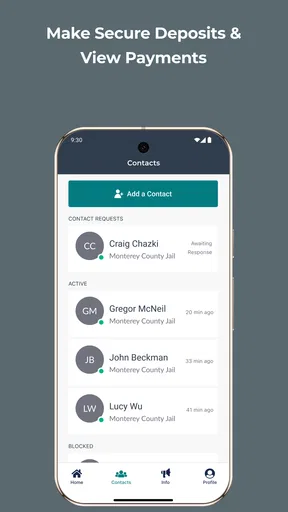
- Multiple payment options available.
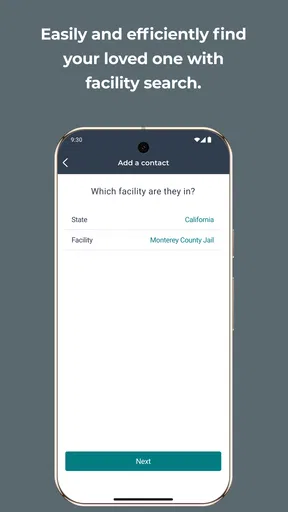
- Comprehensive inmate search feature.
Cons
- Occasional app crashes reported.
- Limited customer support availability.
- Subscription fees can be costly.
- Requires stable internet connection.
- Privacy concerns with data handling.
FAQs for GTL | GettingOut
What is GTL | GettingOut and what does it offer?
GTL | GettingOut is a communication app designed to connect friends and family with incarcerated individuals. It offers features like video calls, messaging, and photo sharing, providing a secure platform for maintaining relationships. The app aims to facilitate easier, more frequent communication, making interactions accessible and straightforward.
Is GTL | GettingOut secure for personal information and communications?
Yes, GTL | GettingOut prioritizes security by implementing encryption and stringent privacy measures to protect users’ personal information and communications. The app complies with industry standards to ensure data is safeguarded, giving users peace of mind when interacting with loved ones through the platform.
How do I add funds to my GTL | GettingOut account?
Adding funds to your GTL | GettingOut account is simple. Users can top up their accounts via credit or debit card through the app or website. This balance can be used for various services, including video calls and messaging. The process is user-friendly, ensuring a hassle-free experience.
Are there any costs associated with using GTL | GettingOut?
Yes, while downloading GTL | GettingOut is free, there are fees for certain services, such as video calls and messaging. Costs vary depending on the facility and service used. It's advisable to check the rates applicable to your intended facility to manage expenses effectively.
What devices are compatible with GTL | GettingOut?
GTL | GettingOut is compatible with both Android and iOS devices. Users can access the app via smartphones and tablets, ensuring broad accessibility. It’s recommended to have a stable internet connection to ensure optimal performance during video calls and other interactions.


